
Life of the Priory
Augustinian Canons worked hard for the poor and sick.
The Canons’ daily and annual routine was based in spirituality and prayer from the Book of Hours, including readings from St Augustine and the lives of local Saints.
This focused and inspired them to mill corn, breed fish, grow vegetables and medicinal herbs to feed the poor and the sick as well as themselves.
They will have provided regular Mass as well as the Sacraments for the whole community; peasants, lords and dignitaries. Their annual routine will have revolved around feast days and seasonal farming and brewing duties to provide for the celebrations. They will have been developing plans for building, improving or repairing the Priory buildings, the Leper Hospital, maybe local churches and local bridges. They will have been teaching and copying manuscripts. They will have developed a system for adjusting both the quantity and quality of food available to provide guests and pilgrims of varying status with adequate meals. They were probably multi lingual to engage with peasants, lords and visiting dignitaries, using functional language in Cornish, Latin, Medaieval French and Medaieval English.
Eventually the Priory had income from extensive lands owned and local Churches in the area. The Prior managed this money. Apart from dues paid to the Diocese the money was spent, for example, on building bridges in the area, many of which are still used today.

Further reading and illustrations;
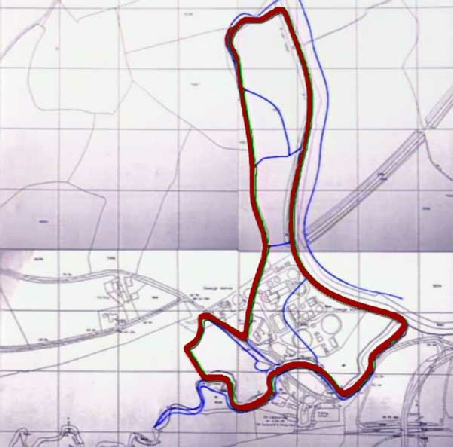
Channel 4’s episode from from their Time Team series about Launceston Priory’s Leper Hospital may be accessed here;
Their Time Team’s investigation into the medieval leper hospital at St. Leonard’s in Launceston (Series 4, Episode 2) is available to watch on the official Channel 4 streaming platform. [1]
In this episode, Tony Robinson and the team investigate the site after a local landowner discovers human remains while laying water pipes. Archaeologists try to determine the identity of the well-preserved female skeleton—whether she was a 13th-century leper, a casualty of the Civil War, a plague victim, or an executed prisoner. [1, 2, 3]
Bridges built through the Priory were sometimes paid for by Indulgences;
‘An indulgence or pardon was remission not of sin, but merely of the penance or temporal punishment believed to be still due to God after a sin had been repented, confessed and forgiven’
http://launcestonthen.co.uk/index.php/the-place/bridges-of-the-launceston-area/
Articles or information to be developed;
The practical and spiritual gifts given to the community.Mills and water management.
Vegetable or herb gardens and fish pond. Mediaeval diet and recipes.
Income from land and local churches.
We welcome your contact to; ask anything about this website or our events or to book a talk or guided walk; suggest ideas for our website or future events; offer to help with our ‘to be developed topics’ or to join our committee. Please see our Contact tab. Thank you. 😊